
Call us now :08045479808
 Send Inquiry

 Send Inquiry
XLPE Cables
Price 10 INR/ Meter
MOQ : 500 Meters
XLPE Cables Specification
- Diameter
- Varies from 6mm to 80mm or as per specification
- Armour Type
- Steel wire, Steel tape, Aluminum wire
- Core Material
- Copper/Aluminum
- Armored Material
- Galvanized steel tape/wire, Aluminum for single core cables
- Tensile Strength
- High tensile strength as per IS/IEC standards
- Features
- High insulation, excellent electrical properties, resistance to chemicals and weathering, flame retardant, durable, long service life
- Operating Temperature
- Up to 90C continuous, 250C short-circuit
- Impedance
- As per specification and design
- Number of Conductor
- Single core, twin core, multi-core (up to 4 core or as required)
- Cable Type
- Armored / Unarmored XLPE Power Cable
- Weight
- Varies with size and core number
- Conductor Type
- Annealed/Flexible/Stranded
- Core Number
- 1, 2, 3, 3.5, 4, 5 or custom
- Conductor
- Stranded/solid copper or aluminum
- Usage & Applications
- Power transmission, control and instrumentation
- Insulation
- XLPE (cross-linked polyethylene)
- Dielectiric Strength
- 24kV - 36kV as per cable rating
- Conductor Shape
- Circular or sector shaped
- Install Type
- Direct burial, ducts, trays, conduits
- Outer Material
- PVC, XLPE or FRLS
- Rated Temperature
- -25C to +90C (max up to 250C under short-circuit)
- Standard
- IS 7098, IEC 60502, BS 5467
- Connector Size
- Customizable based on application
- Product Type
- Cable
- Length
- 100m, 500m, 1000m roll or as required
- Voltage
- High Voltage Volt (v)
- Insulation Material
- XLPE
- Application
- Power distribution, industrial installations, underground and overhead lines
- Conductor Material
- Aluminum
- Jacket Material
- PVC
- Storage Temperature
- -15C to +45C
- Connector Color
- Multi-color coded as per standards
- Shield Material
- Copper or Aluminum for screened cables
- Jacket Color
- Black, as per requirement
- Dimension (L*W*H)
- Varies as per design and core size
- Color
- Standard black or as specified
- Material
- XLPE, PVC, Copper/Aluminum, Steel/Aluminum Armour
- Size
- 1.5 sqmm to 1000 sqmm
- Sheath Thickness
- As per IS/IEC standards based on voltage and size range
- Environmental Compliance
- RoHS, REACH compliant materials
- Earthing
- Copper/Aluminium tape for earthing conductor (if required)
- Mechanical Impact
- Resistant to mechanical damage and stress
- Short Circuit Current Capacity
- Varies with conductor size and design
- Moisture Resistance
- Excellent, suitable for wet locations
- Halogen Content
- Halogen-free types available
- Test Voltage
- 3.5kV to 21kV AC as per cable design
- UV Resistance
- UV stabilized outer sheath for outdoor use
- Smoke Emission
- Low smoke emission type available (LSOH)
- Packing Type
- Wooden drum, coil, or as per client requirement
- Installation Altitude
- Up to 2000m above sea level without derating
- Minimum Bending Radius
- 12 x cable overall diameter (typical)
- Fire Resistance
- IEC 60332-1, IEC 60332-3 tested for flame retardance and fire performance
XLPE Cables Trade Information
- Minimum Order Quantity
- 500 Meters
- Supply Ability
- 1000 Meters Per Month
- Delivery Time
- 1 Days
- Main Domestic Market
- All India
About XLPE Cables
XLPE Cable is mainly used for transmission of power in power plants, industries and various commercial places. It has minimal dielectric losses, better resistance to most chemicals, oils, acids etc. Offered wire is the most economic solution with high efficiency and total reliability. They have tough and resilient sheath with excellent fire resisting qualities. Further, XLPE Cable provide complete protection against most forms of electrolytic and chemical corrosion.
Reliable Flame Retardance and Fire Performance
XLPE cables are rigorously tested to IEC 60332-1 and IEC 60332-3 standards, demonstrating reliable flame retardance for enhanced fire safety. Low smoke emission (LSOH) options reduce toxicity and improve visibility during fire incidents, making them suitable for sensitive and populated environments.
Superior Mechanical and Environmental Protection
Designed with high tensile strength, UV stabilization, moisture resistance, and robust outer sheaths, these cables withstand severe mechanical impacts and environmental stressors. Their armor and insulation materials ensure lasting durability across diverse installation scenarios-from direct burial to overhead use.
Versatile Applications Across Industries
XLPE fire-resistant cables support a wide range of power distribution and control tasks in industrial, commercial, and utility settings. With customizable cores, conductor materials, and sizes, they are suited for underground, overhead, duct, and tray installations, complying with IS, IEC, and BS standards.
FAQ's of XLPE Cables:
Q: How are XLPE cables tested for fire resistance and flame retardance?
A: These cables undergo rigorous flame propagation testing as per IEC 60332-1 and IEC 60332-3 standards. The process assesses the cable's ability to resist and inhibit flame spread, ensuring enhanced safety in case of fire.Q: What are the benefits of using low smoke, halogen-free (LSOH) XLPE cables?
A: LSOH XLPE cables emit minimal smoke and are halogen-free, reducing toxic hazards and corrosion during fire incidents. This feature is crucial for installations in enclosed or populated areas, such as public buildings and industrial plants.Q: Where can XLPE cables with fire-resistant properties be installed?
A: These cables are suitable for underground and overhead lines, direct burial, ducts, trays, and conduits. Their moisture resistance, UV stabilization, and mechanical strength allow for reliable use in outdoor, wet, and industrial environments.Q: What is the typical process for selecting and installing XLPE fire-resistant cables?
A: Cable selection depends on voltage rating, core size, application environment, and mechanical requirements. Installation must consider bending radius (typical minimum 12 cable diameter) and environmental factors, with packing options like wooden drums or coils provided as per client needs.Q: How do XLPE cables ensure safe power distribution in harsh conditions?
A: Their construction includes armored layers, UV-protected sheaths, and moisture barriers. These features, along with compliance to RoHS and REACH, help withstand temperature extremes, impact, and weathering-ensuring long-term, reliable performance.Q: When should you opt for halogen-free or low smoke variants of these cables?
A: Halogen-free and low smoke variants are recommended for environments where fire safety is critical-such as tunnels, public infrastructure, or confined industrial spaces-to minimize smoke and toxic gas release during a fire.
Tell us about your requirement

Price:
Quantity
Select Unit
- 50
- 100
- 200
- 250
- 500
- 1000+
Additional detail
Mobile number
Email

More Products in Electric Cables Category
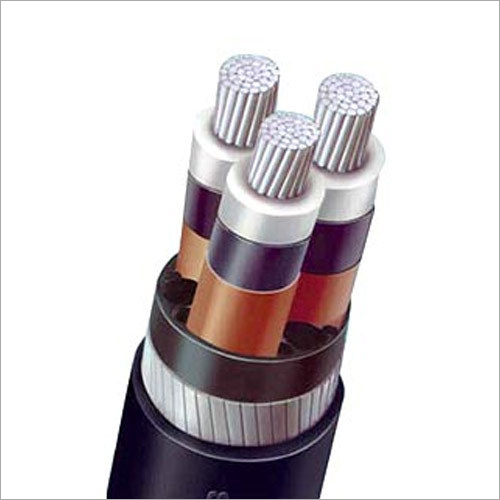
LT XLPE Cables
Price 10 INR / Meter
Minimum Order Quantity : 500 Meters
Conductor Shape : Other, Circular
Voltage : High Voltage Volt (v)
Conductor Material : Copper
Jacket Material : PVC

Power Cable
Price 17 INR / Meter
Minimum Order Quantity : 500 Meters, Meter
Conductor Shape : Round
Voltage : Other, 250V AC
Conductor Material : Copper
Jacket Material : PVC
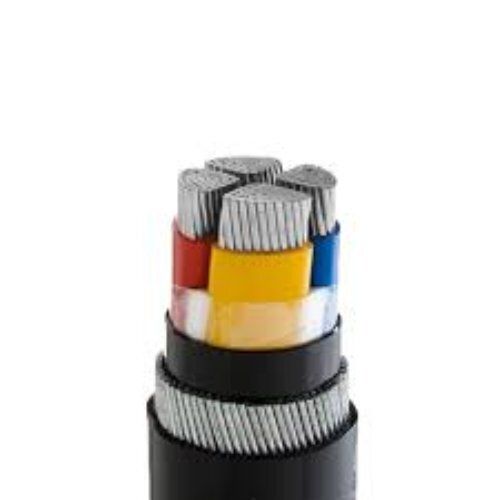
PVC CABLES
Price 250 INR / Meter
Minimum Order Quantity : 1000 Meters
Conductor Shape : Other
Voltage : High Voltage
Conductor Material : Aluminum
Jacket Material : PVC

Control Cables
Price 10 INR / Meter
Minimum Order Quantity : 100 Meters
Conductor Shape : Round
Voltage : High Voltage
Conductor Material : Copper
Jacket Material : PVC

 Send Inquiry

Kh No. 24/24, 66 Feet Road, Extensive Industrial Area, Libaspur,Delhi - 110042, India

Mr Yash Gupta
(Proprietor)
Mobile :08045479808
 Send Inquiry
 Send SMS

Developed and Managed by Infocom Network Private Limited.
